

 Posted by
 Walk into any modern industrial facility and you will find electrical wiring working quietly behind almost every operation. From powering machinery and lighting systems to supporting control panels, automation equipment, commercial buildings, and infrastructure, wires and cables are essential to keeping operations running.
In such environments, cable selection is not something businesses can afford to overlook. The right cable needs to match the electrical load, installation conditions, environmental exposure, safety requirements, and expected service life.
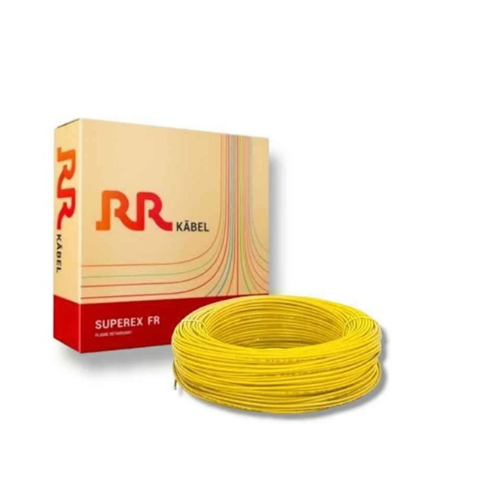
RR Kabel wires and cables are used across a broad range of electrical and industrial applications. Their product range includes solutions designed for different power, building, industrial, and infrastructure requirements, making cable selection more adaptable to different projects.
Why Cable Selection Matters in Industrial Applications
Electrical systems in industries often operate for long hours and may be exposed to heat, dust, moisture, vibration, chemicals, or mechanical stress. A cable that is not suitable for its intended environment can affect the reliability of the overall installation.
For this reason, engineers and electrical contractors generally consider several factors before selecting a wire or cable. These include conductor size, insulation, voltage rating, temperature capability, flexibility, installation method, and applicable standards.
A properly selected cable helps create an electrical system that is better suited to the conditions in which it needs to operate.
1. Suitable for Different Industrial Requirements
Not every industry has the same electrical requirements. A manufacturing plant may need cables for motors and machinery, while a commercial building may have greater requirements for power distribution, lighting, HVAC, and safety systems.
Infrastructure projects can have another set of requirements altogether.
RR Kabel offers a range of wires and cables for different applications, allowing electrical professionals to choose products according to the specific needs of a project rather than relying on a single type of cable for every installation.
2. Supporting Electrical Safety
Safety is one of the most important considerations when dealing with electrical installations. Properly designed and correctly installed wiring helps reduce electrical risks and supports the safe operation of equipment.
Cable construction, insulation quality, conductor characteristics, and compliance with applicable standards all play a role in electrical safety.
However, even a high-quality cable needs to be correctly sized and installed. Factors such as overload protection, proper termination, routing, and installation practices remain essential parts of a safe electrical system.
3. Designed for Long-Term Use
Industrial electrical systems are often expected to operate reliably for many years. Replacing cables can be expensive and disruptive, especially when they are installed inside machinery, walls, cable trays, or difficult-to-access areas.
This makes durability an important consideration during the initial selection process.
Choosing cables that are appropriate for the expected operating conditions can help reduce premature deterioration and support the long-term performance of the installation.
Key Reasons Industries Pay Attention to Cable Selection
- Supports reliable power distribution across different applications
- Helps meet the electrical requirements of industrial installations
- Suitable cable construction can support long-term performance
- Provides solutions for different building and infrastructure needs
- Proper selection can help reduce avoidable electrical maintenance
4. Supporting Industrial Power Distribution
Factories and industrial facilities can contain numerous machines, motors, control systems, and electrical panels. All of these systems depend on suitable power distribution.
The cable used for a particular circuit needs to be selected according to factors such as current carrying capacity, voltage, installation method, ambient temperature, and expected load.
RR Kabel’s range of electrical products can be used across different power distribution applications, helping electrical professionals select solutions according to the requirements of their installation.
5. Applications beyond Manufacturing
The use of wires and cables extends far beyond traditional factories. Modern electrical infrastructure depends on suitable cabling in residential buildings, commercial facilities, offices, hospitals, retail spaces, transportation infrastructure, and construction projects.
Each environment presents different challenges.
For example, a commercial building may prioritize reliable power distribution and building services, while an industrial facility may require cables capable of handling machinery and demanding operating conditions.
This wide variety of applications highlights why cable manufacturers need to offer different product categories rather than a one-size-fits-all solution.
6. The Importance of Standards and Compliance
Electrical products need to meet relevant technical and safety requirements for their intended application. Standards help define important characteristics related to performance, construction, testing, and safety.
When selecting wires and cables, electrical consultants, contractors, and project managers should verify the applicable standards and certifications for their specific project and location.
Compliance should be considered alongside factors such as conductor size, insulation type, voltage rating, installation conditions, and load requirements.
7. Helping Businesses Plan Electrical Systems More Effectively
A good electrical installation begins with proper planning. Before selecting a cable, professionals need to understand how much power the system requires, how the cable will be installed, and what environmental conditions it will face.
For larger projects, cable selection can also influence installation costs, maintenance requirements, and future expansion possibilities.
By considering these factors early, businesses can avoid the problems associated with choosing cables based solely on initial purchase price.
Where RR Kabel Wires and Cables Can Play a Role
The versatility of modern cable solutions makes them relevant to numerous sectors, including:
Manufacturing: Powering machinery, electrical panels, motors, and production equipment.
Construction: Supporting electrical systems in residential and commercial buildings.
Commercial Facilities: Providing power distribution for offices, retail spaces, hotels, and other buildings.
Infrastructure: Supporting electrical networks and large-scale development projects.
Industrial Applications: Connecting and supplying various electrical systems operating in demanding environments.
The exact cable type should always be selected according to the technical requirements of the application.
Choosing the Right Cable for the Job
Brand recognition alone should not determine cable selection. A suitable product needs to match the actual requirements of the electrical installation.
Before making a decision, professionals should consider:
- Required voltage and current capacity
- Conductor material and size
- Installation environment
- Temperature conditions
- Exposure to moisture, chemicals, or mechanical stress
- Required flexibility
- Fire and safety requirements
- Applicable national and industry standards
Professional electrical design and installation practices are equally important. The cable should be installed, terminated, protected, and maintained according to the manufacturer’s recommendations and applicable electrical codes.
Looking Ahead: Reliable Wiring for a Connected World
Industries are becoming increasingly dependent on electrical equipment, automation, digital systems, and smart infrastructure. As this transformation continues, dependable electrical connectivity will remain fundamental.
Whether it is a manufacturing plant, commercial building, infrastructure project, or industrial facility, wires and cables form the underlying network that allows electrical systems to function.
This is why cable selection deserves attention during the planning stage—not after an electrical problem occurs.
Conclusion
RR Kabel wires and cables are used across various sectors because different industries require dependable solutions for power distribution, electrical installations, infrastructure, and equipment connectivity.
The right cable can contribute to the reliability and longevity of an electrical system, but the selection process should always consider the specific application, load, environment, installation method, and applicable standards.
Ultimately, successful electrical infrastructure is not simply about choosing a cable. It is about choosing the right cable for the right application and installing it correctly.
When these factors come together, businesses can build electrical systems that are better prepared for today’s requirements—and the growing demands of tomorrow.