

 Posted by
In a manufacturing facility, every machine, control panel and automated system depends on a reliable electrical connection to perform its job. From heavy-duty motors and industrial robots to sensors, conveyors and production equipment, cables play an important role in keeping everything connected and running smoothly.
However, manufacturing environments are not always easy on electrical cables. Continuous machine movement, vibration, heat, oil exposure, dust and mechanical stress can affect cable performance over time. Using unsuitable cables may result in frequent breakdowns, production interruptions and increased maintenance expenses.
This is why choosing the right industrial cable is an important decision for manufacturers. LAPP cables are designed for a wide range of industrial applications, helping businesses establish reliable electrical connections while supporting safe and efficient manufacturing operations.
Why Cable Quality Matters in Manufacturing Industries
Imagine a production line suddenly stopping because of a damaged cable connecting an important machine. Even a short interruption can affect production schedules, employee productivity and delivery commitments.
Such situations highlight why cable selection should never be treated as a small technical detail.
Industrial cables must handle specific operating conditions depending on where and how they are installed. A cable used for a stationary power connection may not be suitable for an application involving continuous movement or repeated bending.
Manufacturers need cables that match their electrical, mechanical and environmental requirements. Choosing the right cable helps reduce avoidable failures and supports consistent machine performance.
5 Ways LAPP Cables Improve Manufacturing Safety and Productivity
LAPP offers a wide portfolio of industrial cables and connectivity solutions for different manufacturing requirements. Here are five important ways the right LAPP cable selection can benefit industrial operations.
1. Reliable Power Transmission to Industrial Equipment
Manufacturing plants operate several machines simultaneously, including motors, pumps, compressors and automated production equipment. These machines require dependable electrical power to function properly. LAPP power cables are available in different designs and specifications to support various industrial power distribution requirements. Selecting the correct cable size, voltage rating and insulation type helps ensure reliable power transmission and reduces the risk of electrical problems caused by unsuitable installations.
2. Better Performance in Demanding Industrial Environments
Industrial environments can expose cables to oil, chemicals, heat, moisture and mechanical stress. Ordinary cables may not be suitable for such challenging conditions. LAPP provides specialised cable options designed for different environmental requirements. Depending on the selected product, manufacturers can find solutions for applications requiring oil resistance, chemical resistance, temperature tolerance or mechanical protection. Choosing application-specific cables helps improve service life and reduce unnecessary replacement work.
3. Supporting Industrial Automation and Machine Connectivity
Automation has become an important part of modern manufacturing. Production lines increasingly depend on sensors, control systems, robotic equipment and communication networks. These systems need reliable connections to exchange signals and information. LAPP offers specialised automation cables, control cables and data transmission solutions that support different industrial connectivity requirements. With suitable cable selection, manufacturers can establish dependable connections between machines, controllers and automation equipment.
4. Reducing Maintenance Requirements and Production Interruptions
Frequent cable failures can create unnecessary maintenance work and disrupt manufacturing schedules. Replacing damaged cables also requires technicians, spare parts and production downtime. Using cables designed for the actual application can help reduce premature wear and unexpected failures. For example, flexible cables designed for continuous movement are more appropriate for certain moving machine applications than standard fixed-installation cables. This application-based selection can support better maintenance planning and improve production continuity.
5. Improving Workplace Electrical Safety
Electrical safety is essential in every manufacturing facility. Incorrect cable selection, damaged insulation, improper connections and overloaded circuits can create serious electrical hazards. LAPP cables are available with different insulation materials, voltage ratings and construction features to meet specific industrial requirements. When selected according to applicable standards and installed correctly, they help establish safer electrical connections and support the protection of workers and equipment.
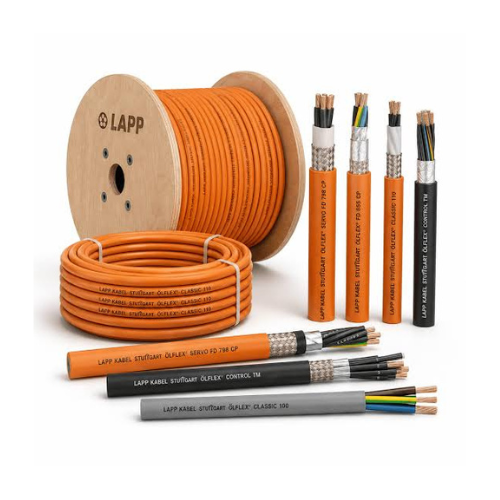
Different LAPP Cable Solutions Used in Manufacturing Industries
Not every manufacturing application requires the same type of cable. The right choice depends on the machine, operating environment and electrical requirements.
Here are some commonly used LAPP cable categories:
- Power Cables: Used for supplying electrical power to industrial machines, equipment and distribution systems.
- Control Cables: Help transmit control signals between electrical panels, machinery and automation systems.
- Servo Cables: Designed for connecting servo motors and drive systems in automated machinery.
- Fieldbus Cables: Support industrial communication between controllers, sensors and connected devices.
- Ethernet Cables: Used for industrial networking, machine communication and data exchange.
- Flexible Cables: Suitable for applications involving movement, bending and repeated mechanical stress, depending on the cable design.
Selecting the appropriate cable category helps manufacturers achieve better connectivity and reliable machine operation.
How Different Manufacturing Industries Benefit from LAPP Cables
LAPP cable solutions are used across various industrial sectors, with product selection depending on the specific application.
Automobile Manufacturing: Automotive production lines use robotic arms, conveyors, welding equipment and automated machinery. Suitable power, control and data cables help maintain reliable machine connections.
Pharmaceutical Industries: Manufacturing facilities require dependable electrical connections for processing equipment, packaging machines and monitoring systems. Appropriate cable selection supports reliable operations in controlled production environments.
Food Processing Industries: Machinery used for mixing, packaging, filling and processing food products may require cables with specific resistance to cleaning agents, oils, moisture and temperature conditions.
Chemical Industries: Electrical installations in chemical manufacturing environments may require specialised cables with suitable resistance to chemicals, temperature variations and other demanding conditions. Hazardous-area applications require additional attention to the relevant installation and protection standards.
Engineering and Heavy Manufacturing: Heavy machinery, CNC equipment, motors and automated production systems depend on suitable power and control cables for continuous industrial operations.
Why Choosing the Right LAPP Cable Supplier Matters
Even a high-quality industrial cable may not deliver the expected performance if the wrong specification is selected.
Manufacturers should work with an experienced electrical products supplier who understands industrial applications and can recommend suitable cable solutions.
Before purchasing, consider the following factors:
- Required voltage and current ratings.
- Operating temperature and environmental conditions.
- Cable flexibility and bending requirements.
- Resistance to oil, chemicals and mechanical stress.
- Applicable industrial standards and certifications.
Proper cable selection, installation and periodic inspection are equally important for achieving long-term performance.
Final Thoughts
Manufacturing productivity depends on many factors, and reliable electrical connectivity is certainly one of them. A small cable-related issue can sometimes interrupt an entire production process, making cable quality an important consideration for every industrial business.
LAPP cables offer a wide range of solutions for power distribution, industrial automation, machine connectivity and data communication. By selecting the right cable for each application, manufacturers can improve electrical reliability, support workplace safety and reduce avoidable maintenance interruptions.
Ultimately, investing in the right industrial cables is not just about connecting machines. It is about building a dependable electrical infrastructure that supports consistent production and long-term industrial growth.
How LAPP Industrial Cables Improve Efficiency and Reliability in Manufacturing